
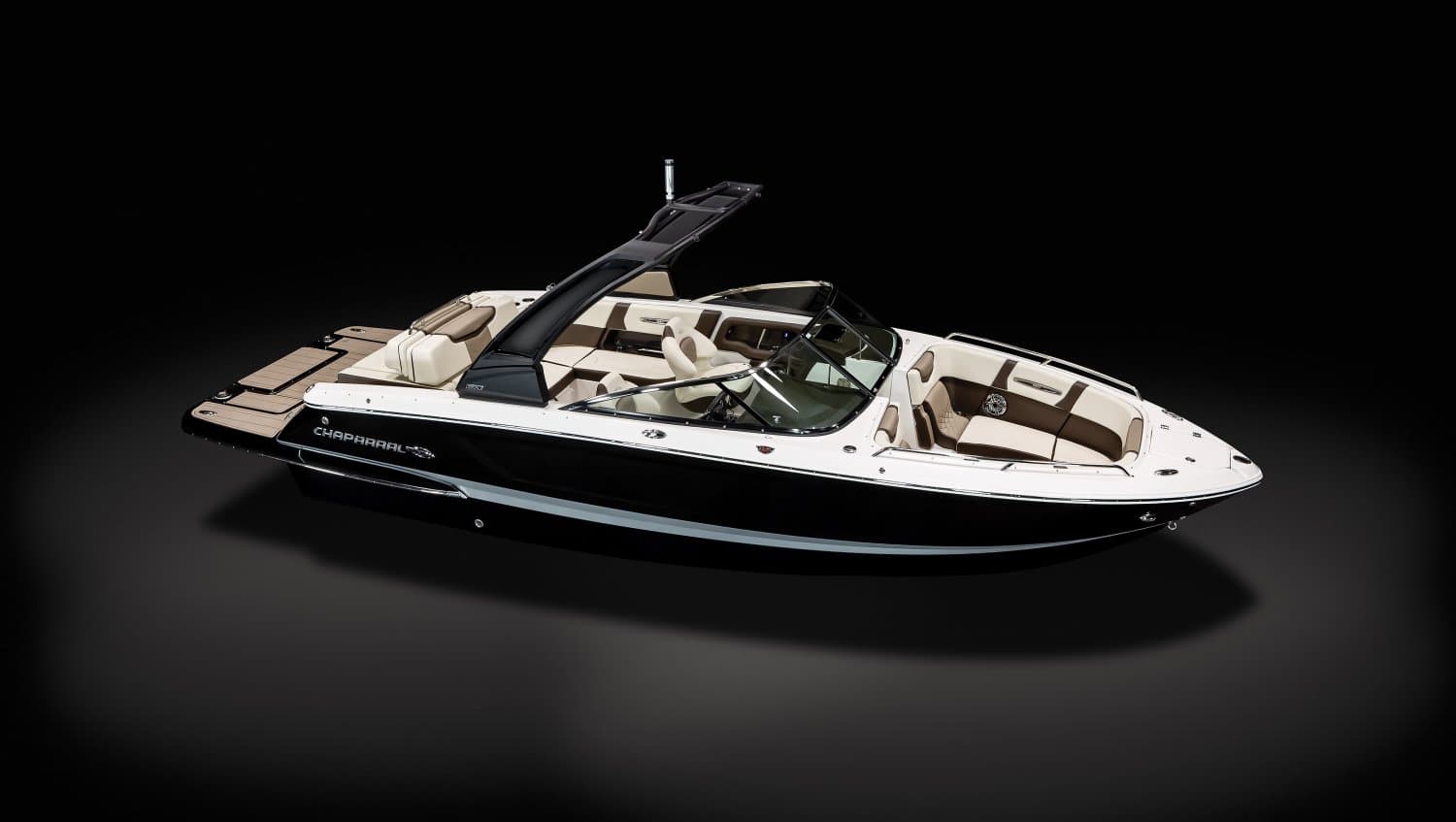
If you own a boat in Southwest Florida, you already know we live in one of the best boating regions on the planet. Calm winter mornings on Estero Bay, tarpon rolling through Boca Grande Pass, sunset cruises to Cabbage Key -- it doesn't get much better than this. But our paradise comes with a price tag that most boating magazines won't tell you about: Southwest Florida's combination of salt, sun, humidity, and marine growth is one of the harshest environments any boat will ever face.
We've been in the marine business here in Fort Myers for decades, and we've seen it all. Beautiful boats destroyed in a single season by neglect. Twenty-year-old boats still running strong because the owner spent 15 minutes after every trip doing the basics. The difference almost always comes down to maintenance.
This guide breaks down everything you need to know to keep your boat running right in Southwest Florida, whether you own a Robalo center console, a Grady-White canyon runner, a Chaparral sport boat, or a Premier pontoon. We'll cover daily routines, monthly checklists, seasonal schedules, and the hard-earned wisdom that only comes from years on the water in Lee and Collier Counties.
Disclaimer: This guide is for general informational purposes only. It is not a substitute for professional advice from your boat manufacturer, engine manufacturer, or a certified marine technician. Always consult your owner's manual and a qualified professional before performing any maintenance on your vessel. Fish Tale Boats assumes no liability for any damage, injury, or loss resulting from the use of information in this guide. When in doubt, bring your boat to a factory-authorized service center.
Why SWFL Is Harder on Boats Than Anywhere Else
People move here from Michigan or New Jersey, buy a boat, and treat it the same way they did up north. Six months later they're staring at corroded terminals, barnacle-encrusted lower units, and gel coat that looks like it aged ten years overnight. It's not their fault -- nobody warned them.
Here's what we're dealing with in Southwest Florida:
Saltwater is relentless. Every drop of Gulf water that touches your boat is actively corroding metal, degrading rubber seals, and attacking electrical connections. Salt spray rides the wind for miles inland, so even boats stored in driveways in Lehigh Acres aren't safe. Salt crystals left to dry on aluminum, stainless steel, or wiring create electrolysis that eats metal from the inside out. The brackish mix in the Caloosahatchee and Estero Bay is especially aggressive because it combines freshwater organics with salt, creating the perfect cocktail for corrosion.
UV exposure is extreme. We're at 26 degrees north latitude with over 270 sunny days a year. The UV index here regularly hits "extreme" ratings from April through October. That relentless sunshine breaks down gel coat, fades vinyl upholstery, degrades rubber hoses and gaskets, and turns plastic brittle. A boat stored uncovered in Cape Coral takes more UV punishment in one summer than a boat stored in Maryland takes in three years.
Humidity never quits. Our average relative humidity hovers around 75%, and it regularly pushes into the 90s during summer mornings. That moisture gets into everything: electrical connections, fuel systems, storage compartments, and bilge areas. It breeds mold and mildew on upholstery, headliners, and in any enclosed space that doesn't get proper ventilation. If you've ever opened a boat console after a week away and caught a whiff of that musty, mildewy smell, you know exactly what we're talking about.
Barnacles and marine growth explode. Water temperatures in the Gulf and our bays sit between 75 and 90 degrees for most of the year. That warm water is a petri dish for barnacles, algae, and other marine organisms. Leave your boat in the water for two weeks without bottom paint, and you'll be scraping barnacles off the hull. We've seen boats hauled out of the Caloosahatchee after just a month with barnacle growth so thick you couldn't read the hull identification number.
Hurricane season lasts half the year. From June through November, every boat owner in Southwest Florida needs a storm plan. Hurricane Ian in 2022 taught our community devastating lessons about what happens when boats aren't properly secured. We'll cover storm prep in detail later in this guide.
Summer thunderstorms are violent and sudden. From June through September, afternoon thunderstorms roll in almost daily, often with little warning. Lightning strikes are a real threat, and wind gusts can exceed 60 mph in a squall. These storms create unique wear patterns on boats, from water intrusion during heavy downpours to electrical surges from nearby lightning.
One of our longtime service techs, Danny, likes to say: "In Southwest Florida, you're not maintaining a boat against normal wear and tear. You're fighting a war against the environment, and the environment doesn't take days off." He's right. But the good news is that winning that war isn't complicated. It just takes consistency.
After Every Trip: The 15-Minute Routine
This is the single most important section of this guide. If you only follow one piece of advice here, make it this: develop a post-trip routine and never skip it.
We see more boats damaged by skipped post-trip maintenance than by any other cause. It takes about 15 minutes, and it will save you thousands of dollars over the life of your boat.
1. Freshwater rinse the entire boat. Grab a hose and rinse every surface that saltwater or brackish water touched. Pay special attention to metal hardware (cleats, rod holders, grab rails, hinges), the console area, T-top or hardtop structure, and any area where salt spray collects. Don't just give it a quick pass. Spend a solid five minutes with the hose. Salt that dries on your boat starts corroding immediately.
2. Flush your engine(s). Every Yamaha outboard has a flushing port built into the engine. Connect your garden hose, start the engine, and let it run for at least five minutes at idle. This pushes fresh water through the cooling system, washing out salt and sand before they can build up. If your boat has multiple engines, flush each one. Skipping this step is the fastest way to kill an outboard in saltwater. Check your Yamaha outboard owner's manual for model-specific flushing procedures, and our Yamaha service team is always happy to walk you through the process.
3. Wipe down electronics. Your fishfinder, chartplotter, VHF radio, and any other electronics should get a quick wipe with a damp (freshwater) microfiber cloth. Salt film on screens degrades the display coating over time and can work its way into button mechanisms and ports. If you've got a Garmin, Simrad, or Lowrance unit, a soft cloth is all you need. Avoid household glass cleaners, which can damage anti-glare coatings.
4. Check the bilge. Pop open the bilge and take a look. Is there water? How much? A little residual water is normal, but if the bilge is significantly fuller than when you left, you need to figure out why before your next trip. Run the bilge pump to clear any standing water, and take a quick sniff: a fuel smell in the bilge means you've got a leak somewhere that needs immediate attention.
5. Inspect the drain plug. This sounds basic, but we get at least one call a month from a panicked owner whose boat is filling with water at the ramp because they forgot the drain plug. After each trip, pull the plug, let the hull drain completely while you do the other steps, then reinstall it before your next launch. Some owners keep a spare plug zip-tied to the trailer as insurance.
6. Quick-spray metal hardware. Keep a can of corrosion inhibitor (CRC 6-56, Boeshield T-9, or similar marine-grade product) on the boat. A quick spray on hinges, latches, rod holders, and any exposed metal takes 30 seconds and dramatically slows corrosion between washes.
Here's a story that drives this home. Last spring, a customer brought his two-year-old Robalo 246 Cayman in for service complaining about a rough-running engine and corroded electrical connections throughout the boat. Beautiful boat, maybe 200 hours on it. When we asked about his post-trip routine, he said, "I just put it in the garage and cover it." No rinse, no flush. The salt buildup inside his powerhead cooling passages had restricted water flow so badly that the engine was overheating on every run. The repair bill was over $2,000 for what 15 minutes with a hose would have prevented.
Monthly Maintenance Checklist
Set a reminder on your phone for the first Saturday of every month. Grab a cup of coffee, head out to the boat, and work through this list. It takes about an hour, and it catches small problems before they become expensive ones.
Battery terminals and connections. Inspect all battery terminals for corrosion (that white or green fuzzy buildup). Clean terminals with a battery terminal brush and apply a thin coat of dielectric grease or a terminal protector spray. Check that all connections are tight. In our humidity, battery terminals can corrode enough to cause starting problems in as little as a month.
Zinc anodes (sacrificial anodes). These are the unsung heroes of your boat's corrosion protection system. Zincs are designed to corrode instead of your engine, trim tabs, and through-hull fittings. Check every zinc on the boat: the ones on your lower unit, the trim tab zincs, and any hull zincs. If any zinc is more than 50% depleted, replace it. In our warm, salty water, zincs can get consumed faster than manufacturers expect. Some of our customers in areas with heavy electrolysis, like certain canal systems in Cape Coral, go through zincs twice as fast.
Bilge pump test. Manually activate your bilge pump using the switch at the helm. Confirm it runs, pumps water, and shuts off properly. If you've got an automatic float switch, pour some water into the bilge and confirm the pump kicks on by itself. A failed bilge pump in the middle of a summer thunderstorm is a bad place to be.
Hull inspection. If your boat is on a trailer or a lift, take a close look at the hull below the waterline. Look for barnacle growth, blistering, cracks, or damage. On aluminum pontoon tubes (like on your Premier), check for any signs of pitting or discoloration that could indicate corrosion. On fiberglass hulls, look for stress cracks, especially around the transom and strake areas.
Trailer bearings (if applicable). Spin each wheel and listen. A smooth, quiet spin is good. Grinding, roughness, or heat coming from the hub after the wheel has been spinning means the bearings need service. We'll cover trailer maintenance in detail below, but a monthly check catches bearing failure before it leaves you stranded on I-75 or US-41.
Steering and control cables. Turn the wheel lock to lock and work the throttle and shift controls. Everything should be smooth, without binding or stiffness. In our salt air, cables can corrode internally, getting stiff gradually enough that you don't notice until they fail. If anything feels tighter than usual, get it checked.
Fuel system quick check. Open the engine cowling and visually inspect fuel lines, connections, and the fuel/water separator filter. Look for cracks, swelling, or wet spots on fuel lines. Check the fuel/water separator bowl for water or debris. Our humidity and temperature swings cause condensation inside fuel tanks, so water in the fuel system is common here.
Upholstery and canvas. Inspect seat cushions, bolsters, and any canvas (Bimini tops, enclosures, covers) for mold or mildew. In SWFL's humidity, mildew can establish itself in a single week if ventilation is poor. Clean any mildew promptly with a marine mildew remover. Leave hatches and compartments open while the boat is stored (under cover) to promote air circulation.
Seasonal Maintenance Schedule
Beyond the daily and monthly routines, there are bigger-picture tasks that align with Southwest Florida's boating seasons.
Spring (March - May): Commissioning and Prep
Spring is when most SWFL boaters kick things into high gear. The snowbirds are still here, the water's warming up, and weekends are packed at the ramps.
- Full detail and wax. Give the hull a thorough wash and apply a quality marine wax or ceramic coating. This is your boat's sunscreen for the brutal summer UV ahead. A good wax job in March will protect gel coat through October.
- Inspect and replace impellers. The raw water pump impeller in your Yamaha outboard should be inspected annually and replaced every 2-3 years (or per your Yamaha maintenance schedule). Spring is the ideal time.
- Safety equipment check. Confirm fire extinguishers are charged, flares are in-date, life jackets are in good condition, and your first aid kit is stocked. Check that your throwable PFD is accessible and in good shape.
- Electronics update. Update firmware on your chartplotter and fishfinder. Download the latest charts. Test your VHF radio, including the DSC distress function if equipped.
- Anchor and rode inspection. Check your anchor line for chafe, fraying, or UV degradation. Inspect the shackle and swivel. Replace anything questionable. You don't want to discover a bad anchor rode during a summer squall.
Summer (June - September): Storm Season and Heavy Use
This is prime boating season in SWFL, but it's also the most demanding on your boat.
- Increase freshwater rinse diligence. Summer heat means salt dries faster and does more damage. If you're boating frequently, consider a quick rinse even on days you don't go out, just to knock off the salt spray that blows in on afternoon sea breezes.
- Monitor bottom growth closely. Warm water temperatures accelerate barnacle and algae growth dramatically. If your boat stays in the water, inspect the bottom monthly at minimum. A diver bottom cleaning service is worth the investment.
- Check AC and ventilation. If your boat has air conditioning (common on larger Grady-White and Chaparral models), service it before the summer heat hits. Clean or replace filters, check refrigerant levels, and test the system.
- Storm preparedness. Keep your hurricane plan current and supplies ready. More on this in the dedicated section below.
- Fuel stabilizer. If you're not burning through fuel quickly, add a fuel stabilizer to prevent ethanol-related issues. E10 fuel (which is most of what's available at SWFL marinas and gas stations) absorbs moisture, and summer humidity accelerates the problem.
Fall (October - November): Post-Summer Service
After a long summer of heavy use, fall is the time for a thorough service.
- Schedule your annual service. Book your 100-hour or annual Yamaha service at our 14,000-square-foot service center. Fall is a great time because our service bays are less backed up than spring. The annual service typically includes oil and filter change, gear lube change, spark plug inspection or replacement, fuel filter replacement, and a comprehensive multi-point inspection.
- Bottom paint evaluation. If your boat stays in the water, evaluate your bottom paint. In SWFL waters, most anti-fouling paint lasts 12-18 months before it needs a fresh coat.
- Canvas and upholstery deep clean. After a summer of UV and humidity, give all soft goods a thorough cleaning and conditioning treatment.
- Trailer service. Fall is a good time for a full trailer service: repack bearings, check brakes, inspect tires, and test all lights. You want your trailer in top shape before the winter boating season.
Winter (December - February): Peak Boating, Minimal Maintenance
Winter is SWFL's golden season for boating. Lower humidity, cooler temps, calm seas, and perfect weather.
- Enjoy the water. Seriously. This is why you own a boat. Get out there.
- Stay on top of the 15-minute routine. Even in "mild" winter conditions, salt is still salt.
- Monthly checks continue. Don't let the pleasant weather lull you into skipping your monthly checklist.
- Watch for cold snaps. While rare, we do get occasional cold fronts that drop temps into the 30s and 40s. If your boat has any freshwater systems (washdown, livewell with freshwater rinse, head), protect them from freezing. This is more of a concern for larger boats with plumbing systems.
Engine Care: Yamaha Outboard Basics
As a Yamaha Key Dealer, we see more Yamaha outboards than just about anybody in Southwest Florida. Yamaha builds incredibly reliable engines, but "reliable" doesn't mean "maintenance-free." Here's what every Yamaha outboard owner should know.
The 100-hour / annual service is non-negotiable. Yamaha specifies service intervals based on hours of operation or calendar time, whichever comes first. For most recreational boaters in SWFL, the annual service hits before the 100-hour mark. This service includes engine oil and filter change (on four-stroke models), lower unit gear lube change, spark plug inspection, fuel filter replacement, and a multi-point inspection covering everything from the powerhead to the electronics.
Don't skip it, and don't stretch it. Our warm operating environment puts extra stress on lubricants, and the saltwater environment accelerates wear on seals and gaskets. The cost of an annual service is a fraction of the cost of a major repair caused by deferred maintenance.
Oil changes matter more in warm climates. Engine oil breaks down faster in heat. If you're putting heavy hours on your boat during the summer, running long offshore trips, or frequently operating at high RPM, consider changing your oil more frequently than the minimum spec. Yamaha's recommended oils (Yamalube 4M or equivalent) are formulated for marine use and hold up better than automotive oils in our conditions.
Lower unit gear lube is your early warning system. When our techs drain lower unit gear lube during a service, they're looking at the condition of the oil as much as they are at its level. Milky or discolored gear lube means water intrusion, which means a seal is failing somewhere. Catching this early during a routine service is a $200-400 seal replacement. Missing it means a potential lower unit rebuild that can run $1,500 or more.
Fuel system care is critical in SWFL. Between ethanol in our fuel, humidity causing condensation in tanks, and the general marine environment, fuel system issues are one of the top reasons boats come into our service center. Here's how to stay ahead of it:
- Use non-ethanol fuel when available (some SWFL marinas offer it).
- Keep your fuel tank as full as practical to minimize the air space where condensation forms.
- Change your fuel/water separator filter regularly, at least at every annual service, more often if you're boating frequently.
- If your boat sits for more than a couple of weeks, use a fuel stabilizer.
- If your engine starts running rough, surging, or losing power, the fuel system is the first place to look.
Trim and tilt system. Our salt environment is hard on hydraulic systems. Check your trim and tilt fluid level regularly, and inspect the ram (the shiny hydraulic cylinder) for pitting or corrosion. A pitted ram will destroy seals and lead to fluid leaks. Rinsing the ram with freshwater after every trip and applying a light coat of corrosion inhibitor goes a long way.
We had a customer a couple of years ago, a snowbird from Ohio who kept his Grady-White 251 Coastal on a lift in Bonita Springs. Fantastic boat, twin Yamaha F150s. He was religious about his engine flushes but never once checked his lower unit gear lube between annual services. During his fall service, both lower units had milky, water-contaminated gear lube. The seals had been leaking for months, and one lower unit had bearing damage. What would have been a simple seal replacement turned into a $3,800 repair across both engines. Now he checks his gear lube every month.
Hull and Bottom Care
Your hull is the foundation of everything. Whether you're running a fiberglass Robalo, a Grady-White with its legendary SeaV2 hull, a Chaparral sport boat, or an aluminum-tubed Premier pontoon, hull maintenance in SWFL requires consistent attention.
Fiberglass Hulls
Washing and waxing. Wash your hull regularly with a marine-specific boat soap (not dish soap, which strips wax). Apply a quality marine wax or ceramic sealant at least twice a year. In SWFL, waxing before summer and again in the fall is a good rhythm. The wax layer is a physical barrier between UV radiation and your gel coat. Without it, gel coat oxidizes, chalks, and eventually becomes porous.
Gel coat repair. Small chips and scratches should be repaired promptly, not because they're structural threats, but because they expose raw fiberglass to water intrusion. In our environment, water gets into a gel coat chip, heats up in the sun, and causes the chip to expand. Over a season, a small chip becomes a big chip. Gel coat repair kits are available at any marine supply store, and small repairs are well within the DIY range.
Bottom paint. If your boat stays in the water (on a mooring or at a dock without a lift), bottom paint is essential in SWFL. Our water temperatures support marine growth nearly year-round. Choose an ablative anti-fouling paint rated for warm water, and plan to haul out for a fresh coat every 12-18 months. If your boat lives on a trailer or a lift, you typically don't need bottom paint, but you'll still want to scrub any growth that accumulates between uses.
Barnacle removal. When barnacles do attach (and they will), remove them carefully. A plastic scraper works on fresh growth. Established barnacles may require a more aggressive approach, but be careful not to gouge the gel coat. Barnacles left in place create pockets where moisture and organisms accelerate hull damage.
Aluminum Pontoon Tubes
Premier pontoons feature aluminum tubes that have their own maintenance considerations.
Corrosion prevention. Aluminum in saltwater is vulnerable to galvanic corrosion, especially where it contacts dissimilar metals (stainless steel bolts, for example). Keep zinc anodes in good condition, as these are your primary defense against galvanic corrosion. After each outing in salt or brackish water, flush the exterior of the tubes with freshwater.
Cleaning pontoon tubes. Aluminum tubes develop a chalky oxidation over time. Marine-specific aluminum cleaners (like MaryKate On & Off or Sharkhide) can restore the finish. Avoid acidic cleaners not rated for marine aluminum, as they can cause pitting.
Bottom coating for pontoons. If your pontoon stays in the water, ask our service team about pontoon-specific bottom coatings. Standard bottom paint doesn't always adhere well to aluminum, so you'll want a product designed for the application.
Electrical System Maintenance
Electrical problems are the second most common issue we see at our service center, right behind engine-related items. Salt, humidity, and heat form a triple threat to marine electrical systems.
Batteries. Most boats in our area run AGM (Absorbed Glass Mat) or traditional flooded lead-acid batteries. Regardless of type, keep terminals clean, connections tight, and charge levels maintained. If your boat sits for more than a week without use, a quality marine battery maintainer (like a Battery Tender or NOCO Genius) keeps batteries at optimal charge without overcharging. Heat accelerates battery degradation, and our summer temperatures can shorten battery life compared to cooler climates. Expect to replace marine batteries every 3-4 years in SWFL, compared to 4-5 years up north.
Wiring and connections. Marine-grade wiring uses tinned copper conductors that resist corrosion far better than standard automotive wire. If your boat has any non-marine-grade wiring (common in aftermarket installations), it's living on borrowed time in our environment. Check connections at battery switches, fuse panels, and behind the dash for corrosion. Apply dielectric grease to all electrical connections as a moisture barrier.
Corrosion at terminals and connectors. Green or white corrosion on electrical connections is the most visible sign of salt damage. Clean corroded connections with a wire brush or electrical contact cleaner, then protect them with dielectric grease or a corrosion inhibitor spray. Heat-shrink connectors with adhesive lining are the gold standard for any connection exposed to the elements.
Electronics. Modern marine electronics are designed for the marine environment, but they're not invincible. Keep units dry, clean screen surfaces gently, and ensure all cable connections are secure and sealed. If you're installing new electronics, use marine-rated connectors and ensure proper grounding. Poor grounding is the number one cause of electronic interference and premature failure.
LED lighting. LEDs last far longer than incandescent bulbs, but in our salt environment, the fixtures, connections, and seals are what fail. Inspect navigation lights, courtesy lights, and any underwater lights monthly. A corroded ground wire is the most common cause of flickering or non-functioning LED lights.
Trailer Maintenance
If you trailer your boat (and the majority of recreational boats in Lee and Collier Counties live on trailers), your trailer needs just as much attention as your boat. A failed trailer doesn't just ruin your weekend. It can be dangerous.
Wheel bearings. This is the number one failure point on saltwater trailers. Every time you back your trailer into the water at the ramp, you're submerging hot bearings in saltwater. The rapid temperature change creates a vacuum effect that sucks salt water past the seals and into the bearing grease. Repack or replace wheel bearings at least once a year. If you launch frequently (weekly or more), consider a bearing buddy or similar pressurized grease system that maintains positive pressure to keep water out.
A buddy of ours was towing his 23-foot center console down I-75 toward Chokoloskee last February when his trailer wheel seized, snapped the axle spindle, and sent the wheel bouncing across three lanes of traffic. Nobody was hurt, thankfully, but the trailer was destroyed and the boat took transom damage from the impact. Total bill: over $8,000. He hadn't touched his bearings in four years. Annual bearing maintenance runs about $150-200. The math speaks for itself.
Trailer brakes. Florida law requires trailer brakes on trailers with a gross weight over 3,000 pounds, which covers most boat trailers. Disc brakes and drum brakes both need regular inspection. Saltwater is brutal on brake components. Flush brake assemblies with freshwater after every launch, and inspect pads (or shoes), rotors (or drums), and calipers (or cylinders) regularly. If your brakes feel spongy, weak, or you hear grinding, get them serviced immediately.
Tires. Trailer tires fail more often from age and UV degradation than from tread wear. In SWFL's sun, tire sidewalls degrade quickly. Replace trailer tires every 3-5 years regardless of tread depth. Check tire pressure before every tow (trailer tires typically run at higher pressures than car tires, so check the sidewall rating). Underinflated trailer tires generate heat and are the leading cause of blowouts.
Lights and wiring. Trailer light connections are constantly exposed to submersion, salt spray, and road grime. LED trailer lights are a significant upgrade over incandescent because they're sealed, run cooler, and last longer. Regardless of bulb type, test all lights before every tow: brake lights, turn signals, running lights, and side markers. Corroded ground connections are the usual culprit when lights malfunction.
Frame and hardware. Inspect the trailer frame, bunks or rollers, winch, and coupler regularly. Aluminum trailers resist corrosion better than galvanized steel, but both need attention. Check for cracked welds, loose bolts, and worn bunk carpet or rollers. Apply a corrosion inhibitor to the winch mechanism, coupler latch, and any moving parts.
Hurricane Season Preparation
Hurricane season runs from June 1 through November 30 in Southwest Florida. After Hurricane Ian in September 2022 and Hurricane Milton in 2024, our community learned hard lessons about storm preparation. Your boat is a significant investment, and having a plan in place before the season starts is essential.
Have a written plan before June 1. Don't wait until a storm is in the Gulf to figure out where your boat is going. Decide now: Will you haul out to a storage facility? Trailer the boat to higher ground inland? Secure it on your lift at home? Each option has pros and cons, and the right choice depends on your boat, your property, and your location.
If you trailer your boat:
- Identify your storage location in advance. Ideally, this is an inland location at higher elevation, away from surge zones. A friend's property in Lehigh Acres, a storage facility east of I-75, or your garage if the boat fits.
- Deflate trailer tires slightly to lower the profile and reduce wind resistance.
- Strap the boat to the trailer with heavy-duty ratchet straps across the hull.
- Remove all canvas, Bimini tops, and loose items that could become projectiles.
- Disconnect the battery.
If your boat stays on a lift:
- Secure the boat to the lift with extra lines. Use chafe protection where lines contact metal or fiberglass.
- Remove all canvas and electronics you can reasonably disconnect.
- Lower the boat into the water and secure to pilings IF a major surge is expected (a boat blown off a raised lift takes catastrophic damage). However, this decision depends heavily on your specific surge risk, so consult with your marina or local emergency management.
- Leave the drain plug OUT so rainwater doesn't accumulate and sink the boat.
If your boat is at a marina:
- Follow the marina's hurricane plan. Most marinas have specific requirements for how boats must be secured.
- Double your dock lines and use chafe guards at every contact point.
- Remove all canvas, electronics, and valuables.
- Coordinate with the marina on haul-out options if available.
General storm prep for all boats:
- Top off the fuel tank to prevent the tank from flexing or floating in a surge.
- Turn off all battery switches.
- Document your boat with photos and video for insurance purposes before every hurricane season.
- Review your marine insurance policy now, not after the storm. Understand your coverage, your deductible, and what your insurer requires for storm preparation. Many policies have specific haul-out or securing requirements that must be met for a claim to be honored.
- For the latest official guidance, visit the Florida Fish and Wildlife Conservation Commission hurricane preparedness resources.
Storm preparation is one of those things that feels like a hassle until you need it. After Ian, we saw hundreds of boats that were destroyed or heavily damaged because owners didn't have a plan. We also saw boats that survived with minimal damage because their owners prepared. The difference was almost always preparation, not luck.
When to DIY vs. When to Call a Professional
We genuinely believe that boat owners who do their own basic maintenance develop a better understanding of their boats, catch problems earlier, and enjoy boating more. That said, some jobs require professional tools, training, and experience. Here's a straightforward breakdown.
Great DIY Tasks
- Freshwater rinsing and flushing (after every trip)
- Washing and waxing the hull
- Cleaning and treating upholstery
- Checking and cleaning battery terminals
- Inspecting zinc anodes and replacing them when depleted
- Testing the bilge pump
- Changing fuel/water separator filters
- Basic trailer maintenance (tire pressure, light checks, greasing the coupler)
- Cleaning and applying corrosion inhibitor to hardware
- Small gel coat chip repairs
- Adding fuel stabilizer
- Replacing dock lines and fenders
- Cleaning and maintaining canvas
Call a Professional
- Engine service (100-hour/annual). Modern Yamaha outboards have specific procedures, torque specs, and diagnostic requirements that need proper training and tools. Our factory-authorized Yamaha technicians have the training, tooling, and software to do the job right.
- Lower unit service. Resealing a lower unit requires specific seals, sealants, and installation procedures. A botched lower unit job leads to water intrusion and bearing failure.
- Electrical troubleshooting. If you've got a problem beyond a corroded connection or a blown fuse, marine electrical diagnosis requires knowledge of ABYC standards and the right test equipment.
- Hydraulic steering service. Steering systems are critical safety components. Leave these to qualified technicians.
- Structural fiberglass repair. Small gel coat chips are DIY-friendly. Cracks, delamination, or transom issues are structural and need professional repair.
- Trailer bearing repacking (if you're not experienced). It's not complicated, but it needs to be done correctly. Improperly packed bearings fail, and failure at highway speed is dangerous.
- Rigging and engine installation. Any work involving engine mounting, control cable routing, or fuel system plumbing should be done by a professional rigger.
- Electronics installation. While basic fishfinder installation is doable for a handy owner, more complex systems (radar, NMEA 2000 networks, autopilot) should be professionally installed to ensure proper function and avoid electrical issues.
If you're ever on the fence, give our service team a call. We're happy to tell you honestly whether a job is within the DIY range or whether it's something we should handle for you. We'd rather answer a quick question on the phone than see a boat come in with damage from a well-intentioned but botched repair.
Frequently Asked Questions
How often should I wax my boat in Southwest Florida?
At minimum, twice a year: once in spring before summer UV hits, and once in the fall. If you keep your boat outdoors without a cover, three times a year is even better. Wax is your gel coat's primary defense against UV oxidation. Ceramic coatings are a longer-lasting alternative worth considering, especially on newer boats.
How long can I leave my boat in the water without bottom paint?
In SWFL's warm waters, you'll start seeing barnacle growth within 1-2 weeks during summer months. During the slightly cooler winter months, you might get 3-4 weeks. If your boat lives in the water full-time, bottom paint is not optional here.
My boat smells like mildew. How do I fix it?
First, clean all affected surfaces with a marine mildew remover. Then address the root cause: inadequate ventilation. Leave compartments, hatches, and console doors cracked open when the boat is stored (under a cover to keep rain out). Consider installing a solar-powered ventilation fan or a moisture absorber (like DampRid) in enclosed spaces. Our humidity is the underlying problem, and ventilation is the long-term solution.
What type of fuel should I use in my Yamaha outboard?
Yamaha recommends 87 octane or higher. Non-ethanol fuel is preferred if available, as it doesn't absorb moisture the way E10 does. Several SWFL marinas and gas stations offer non-ethanol fuel. If you must use E10, use a fuel stabilizer and try to keep your tank full to minimize condensation.
How do I know if my zincs need replacing?
Inspect them monthly. If a zinc has eroded to less than half its original size, replace it. Don't wait until it's completely gone. Once the zinc is consumed, galvanic corrosion starts attacking your engine components and through-hull fittings. Zincs are cheap; the parts they protect are not.
Should I leave my boat on the lift or trailer it home after each use?
Both work, and the best choice depends on your situation. Trailer storage gets the boat completely out of the water and is generally the best protection against marine growth and waterline corrosion. Lift storage is more convenient if you boat frequently, but you'll need to be more vigilant about bottom cleaning and zinc maintenance. Either way, the 15-minute post-trip routine still applies.
How do I protect my boat's upholstery from UV damage?
Use a boat cover or Bimini top when possible. Apply a marine UV protectant (like 303 Aerospace Protectant) to vinyl surfaces every month during summer. Avoid leaving the boat uncovered for extended periods. Our UV is intense enough to visibly fade unprotected vinyl in a single summer season.
When should I schedule my annual engine service?
Fall (October-November) is ideal for most SWFL boaters. You've just come through the heavy summer use season, so the engine gets serviced after the hardest work. Plus, our service center is typically less busy in fall than in the spring rush. Book your service at our Fort Myers location or call our service department to schedule.
Do I really need a marine battery, or can I use a car battery?
Use a marine battery. Automotive batteries are designed for a single high-current burst (starting the engine) and then being immediately recharged by the alternator. Marine batteries are built for the vibration, tilting, and deep-discharge cycling that boats demand. They're also constructed with corrosion-resistant terminals and sealed cases. The price difference is small compared to the cost of being stranded on the water with a dead battery.
What's the most common maintenance mistake you see?
By far, it's skipping the freshwater rinse and engine flush after saltwater use. It's the single easiest thing you can do, and skipping it causes the most damage over time. The second most common mistake is deferring annual engine service "because it's running fine." Engines don't usually warn you before they fail. By the time something feels wrong, the damage is done.
Keep Your Boat Running Right with Fish Tale Boats
Maintaining a boat in Southwest Florida takes a little more effort than it does in some other parts of the country. But the payoff is worth it: a well-maintained boat runs better, holds its value longer, and keeps you safely on the water enjoying everything this incredible region has to offer.
Whether you need a routine Yamaha service, hull repair, a full detail, or just some honest advice, our team at Fish Tale Boats is here for you. We're the #1 Robalo Dealer Worldwide seven years running, a Yamaha Key Dealer, and we operate a 14,000-square-foot factory-authorized service center right here in Fort Myers.
Stop by our Fort Myers dealership, give us a call, or reach out online to schedule service or ask a question. We've been helping Southwest Florida boaters stay on the water for years, and we'd love to help you, too.
And if you're in the market for your next boat, browse our new inventory or pre-owned boats to find the perfect fit for your SWFL lifestyle.